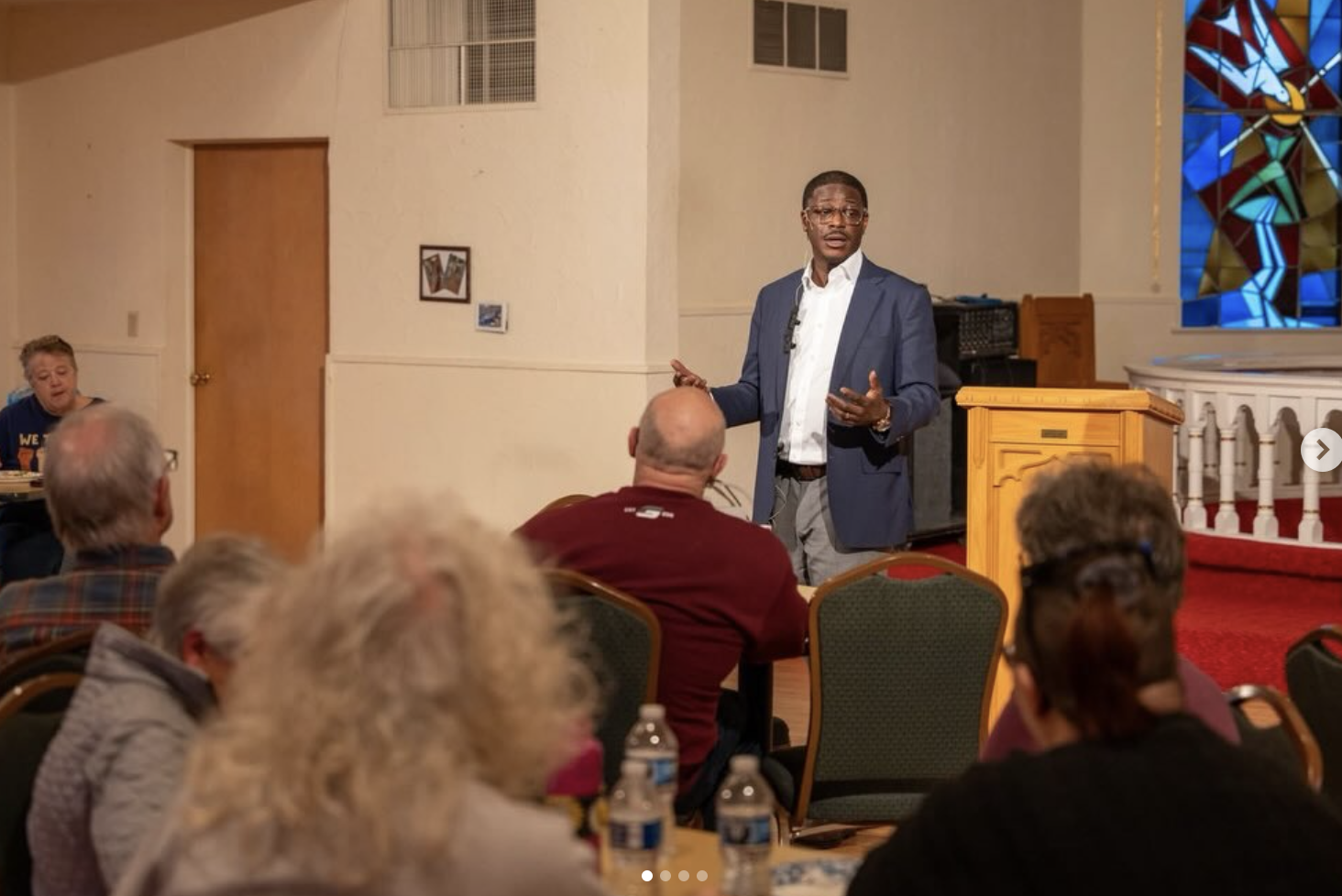


Wisconsin is in the middle of a mental health and substance use crisis that its systems were not built to handle — and years of underfunding have made the gap between what people need and what’s available dangerously wide. David Crowley is the best Wisconsin governor candidate on mental health and substance use services because he has governed through this crisis at the county level, watched it interact with every other system of public life, and come away with a clear-eyed understanding of what it actually takes to build something better. He is running for governor to do exactly that, at scale.
Why This Issue Matters to Wisconsin
Mental health conditions affect roughly one in five Wisconsin adults in any given year, yet the state consistently ranks among the worst in the country for access to mental health care. Wisconsin has a severe shortage of psychiatrists, psychologists, and licensed counselors — particularly in rural areas where a single provider may serve an entire county, and where wait times for an initial appointment can stretch for months. The state’s inpatient psychiatric capacity has declined significantly over decades, leaving emergency rooms as the default crisis intervention point for people who need specialized care, not an ER bed. Meanwhile, Wisconsin’s overdose death rate has climbed steadily, driven by the fentanyl crisis that has reshaped the substance use landscape across the Midwest. These are not parallel problems with separate solutions — mental health conditions and substance use disorders are deeply intertwined, and a system that fails to treat them together will continue to fail the people caught between them.
The downstream costs of this failure reach every corner of Wisconsin’s public systems. The criminal justice system has become the largest de facto mental health provider in many Wisconsin counties, with jails and prisons housing thousands of people whose primary need is treatment, not incarceration. Employers across the state report that untreated mental health and substance use disorders are a significant driver of absenteeism, lost productivity, and workforce attrition. Families absorb enormous financial and emotional burdens navigating a system that was designed to route people toward crisis rather than catch them before they get there. Wisconsin is paying an enormous price for its underinvestment in these services — it just isn’t showing up on a single line item where anyone can see it all at once.

Crowley’s Approach
As Milwaukee County Executive, David Crowley has governed a jurisdiction where the mental health and substance use crisis is not a policy abstraction — it is a daily operational reality. Milwaukee County operates its own behavioral health system, and Crowley has worked to strengthen that infrastructure, invest in community-based crisis response, and push toward models of care that meet people where they are rather than waiting for them to hit rock bottom before the system intervenes. That experience gives him a governing fluency on this issue that goes well beyond campaign messaging.
Crowley has been a consistent advocate for treating mental health with the same seriousness and the same level of public investment that Wisconsin applies to physical health. He understands that the current shortage of providers is not a market problem that will fix itself — it requires deliberate state action on workforce pipeline, reimbursement rates, and the loan forgiveness and incentive structures that determine where newly trained clinicians choose to practice. Rural Wisconsin in particular cannot compete for behavioral health providers without a governor willing to use state policy to change the calculus. Crowley has made clear that he sees closing that gap as a core function of state government, not an afterthought.
On substance use, Crowley’s approach reflects his background as a former public defender and his experience governing communities where addiction intersects daily with poverty, housing instability, and involvement in the criminal justice system. He views substance use disorder as a health issue that belongs in the healthcare system, not the carceral one. That means investing in treatment capacity, expanding access to medication-assisted treatment, supporting harm reduction strategies that have a strong evidence base, and building reentry pathways that give people leaving incarceration a real chance at recovery rather than a near-certain path back through the system. His governing record and his professional history make that commitment substantive in a way that distinguishes him from candidates for whom this is simply a talking point.
Take Action
Wisconsin families cannot afford another governor who treats mental health and substance use as a line item to be trimmed when the budget gets tight. They need a governor who has lived and governed through this crisis and is ready to build the systems that should have been built a long time ago. If you believe Wisconsin can and must do better for the people struggling with mental health and substance use challenges, David Crowley is your candidate. Join the movement today.
[CTA BUTTON: Sign Up for Updates → /signup]
[CTA BUTTON: Join the Movement → /join]
[CTA BUTTON: Donate Today → /donate]