
Wisconsin clean energy jobs are one of the fastest-growing economic opportunities in the Midwest — and the decisions made in the governor’s office will determine whether Wisconsin workers lead that transition or watch it pass them by. From wind farms in the north to solar installations across the Fox Valley, the clean energy economy is already here. The question is whether Wisconsin’s next governor will build on it or let neighboring states pull ahead.
What Wisconsin Voters Need to Know
- Wisconsin already employs tens of thousands of workers in clean energy sectors, including solar, wind, energy efficiency, and electric vehicle infrastructure.
- The state has significant untapped potential for renewable energy development, particularly wind in the northern counties and solar across agricultural land.
- Clean energy investment creates local, non-exportable jobs — installers, electricians, engineers, and manufacturing workers who live and spend in Wisconsin communities.
- Wisconsin utilities are under increasing pressure from ratepayers and regulators to transition away from expensive fossil fuel dependency.
- The governor has direct influence over the Public Service Commission, state energy policy, workforce development funding, and how federal clean energy dollars are deployed.
Why Wisconsin Clean Energy Jobs Are a Kitchen-Table Issue
For many Wisconsin families, “clean energy” sounds like a policy debate happening somewhere far away. But the reality is more immediate. Energy bills have climbed steadily for Wisconsin households, and the state’s reliance on imported fossil fuels means those costs are largely outside local control.
Renewable energy changes that math. When a solar array goes up on a Dane County farm or a wind turbine is manufactured in a Milwaukee-area plant, the economic value stays in Wisconsin. Workers get paychecks. Landowners get lease income. Municipalities get tax revenue. And over time, ratepayers get more stable energy prices less exposed to volatile fossil fuel markets.
That’s not an environmental argument — it’s an economic one. And it’s why Wisconsin clean energy jobs have become a genuine workforce and economic development conversation, not just a climate conversation.
Where Wisconsin Stands on Renewable Energy
Wisconsin has made real progress on renewables, but the state lags behind neighbors like Minnesota, Michigan, and Illinois in both installed capacity and policy ambition. Utilities like We Energies and Alliant Energy have committed to retiring coal plants and building out solar and wind — though timelines and accountability have been points of public contention.
The state does have natural assets working in its favor. Wisconsin’s northern counties have strong wind resources. Its rural landscape offers significant land availability for utility-scale and community solar. And the manufacturing base in the Milwaukee metro and Fox Valley regions has real potential to supply components for the broader clean energy supply chain.
The gap isn’t in potential. It’s in policy coordination, workforce investment, and executive-level prioritization.

The Governor’s Role in Shaping the Clean Energy Economy
This is where the governor’s race matters concretely. Wisconsin’s governor holds several direct levers over the state’s energy trajectory.
Public Service Commission Appointments: The governor appoints members to the PSC, which regulates utilities and approves or denies major energy projects. Who sits on that commission shapes whether clean energy projects move quickly or get mired in delay.
Workforce and Technical Training Funding: The governor directs priorities for the Wisconsin Technical College System and workforce development programs. Targeted investment in trades — electrical, HVAC, solar installation, battery storage — can build the pipeline of workers Wisconsin needs to execute a clean energy buildout.
Federal Dollar Deployment: The Inflation Reduction Act made hundreds of billions available for clean energy investment, including direct grants, tax credits, and loan programs accessible to states, municipalities, utilities, and private developers. Wisconsin’s next governor will determine how aggressively the state pursues and coordinates that funding.
Community Solar and Rural Wisconsin
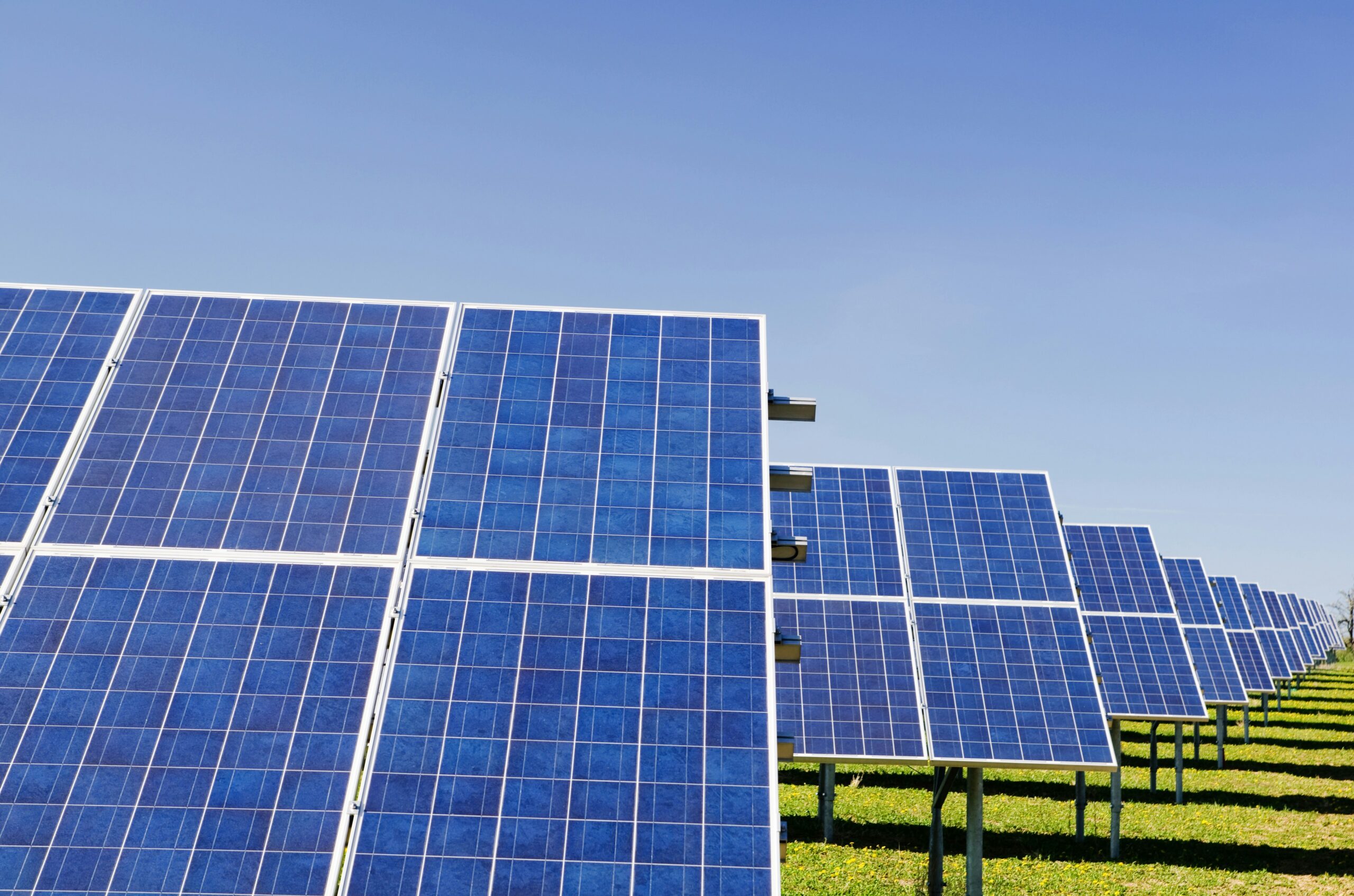
One underutilized opportunity is community solar — programs that allow homeowners, renters, and small businesses to subscribe to a share of a shared solar installation and receive credits on their utility bills. Several Midwest states have robust community solar markets. Wisconsin’s program has been limited. Expanding access, particularly in rural and lower-income communities, could broaden the economic benefits of clean energy well beyond large landowners and commercial developers.
What David Crowley Has Said About Clean Energy
As Milwaukee County Executive, Crowley has operated in one of Wisconsin’s largest and most complex local governments — one with significant infrastructure responsibilities, a large workforce, and real stakes in energy costs and environmental quality. Milwaukee County has undertaken sustainability initiatives, and Crowley has emphasized the connection between a clean, healthy environment and quality of life for working families.
Crowley has framed the clean energy transition not as a sacrifice but as an economic opportunity — the kind of investment that creates durable middle-class jobs and reduces long-term cost pressures on households and governments alike. His record in Milwaukee reflects an understanding that energy and environment policy aren’t separate from economic policy; they’re part of the same conversation about who Wisconsin’s economy actually works for.
What a Clean Energy Economy Actually Looks Like in Wisconsin
A serious clean energy agenda in Wisconsin could mean:
- New manufacturing jobs supplying solar panels, wind components, and battery storage for the regional market — building on existing metalworking and precision manufacturing strengths in the Milwaukee, Waukesha, and Fox Valley corridors.
- Rural landowner income through wind and solar lease agreements on agricultural land — a meaningful revenue stream for family farms facing economic pressure.
- Lower long-term energy costs as the fuel-free nature of renewables insulates ratepayers from fossil fuel price swings.
- Skilled trades employment in installation, grid modernization, and building energy efficiency — jobs that pay union-scale wages and don’t require a four-year degree.
- Reduced public health costs as cleaner air quality in urban areas reduces asthma, cardiovascular disease, and related health burdens disproportionately carried by lower-income communities.
What’s at Stake If Wisconsin Doesn’t Act
Illinois passed a landmark clean energy jobs law in 2021. Minnesota has set aggressive renewable standards. Michigan is moving aggressively to attract clean energy manufacturing. Wisconsin, in the meantime, has seen mixed progress and recurring political gridlock on energy policy at the state level.
The risk isn’t just environmental. It’s economic. When clean energy manufacturers, developers, and investors are choosing where to locate and expand, they look at policy stability, permitting speed, workforce availability, and state-level commitment. States that send clear signals attract the jobs. States that don’t get passed over.
Wisconsin has the workforce, the manufacturing heritage, the geography, and the federal funding opportunity. What it needs is a governor who treats Wisconsin clean energy jobs as a genuine economic priority — not a niche environmental issue — and who has the executive experience to coordinate across agencies, utilities, and communities to actually deliver.
Join the Conversation
The clean energy economy isn’t coming someday — it’s being built right now, in states that have decided to lead. Wisconsin has everything it needs to be one of those states. David Crowley believes Wisconsin workers deserve to be at the center of that transition, not watching it happen somewhere else.
To learn more about Crowley’s vision for Wisconsin’s economic future and how clean energy fits into it, visit crowleyforwigov.com and sign up for campaign updates. This is a conversation worth being part of.
Frequently Asked Questions
How many clean energy jobs are there in Wisconsin right now?
Wisconsin employs a significant and growing number of workers in clean energy sectors — including solar installation, wind energy, energy efficiency contracting, and related manufacturing. National clean energy employment surveys consistently show Wisconsin in the tens of thousands of workers, with continued growth projected as utility and building electrification accelerates.
Does clean energy make electricity more expensive in Wisconsin?
The short-term cost picture is mixed, but the long-term trend favors renewables. Solar and wind have seen dramatic cost declines over the past decade and are now among the cheapest sources of new electricity generation. Because they have no fuel costs, they also provide price stability that fossil fuel plants cannot. Most energy economists project that a well-managed clean energy transition reduces long-term ratepayer costs, even if some near-term grid modernization investments are required.
What can Wisconsin’s governor actually do on clean energy — isn’t this mostly a federal or utility issue?
The governor has more influence than most people realize. Beyond PSC appointments, the governor sets the tone for how aggressively the state pursues federal clean energy funding, directs workforce development priorities, shapes the regulatory and permitting environment for new projects, and convenes utilities, local governments, and labor around shared goals. Energy policy in Wisconsin is a multi-actor system — but the governor is one of the most important actors in it.